

SYS-STATE: SOVEREIGN RESILIENCE // CONTROL-PLANE INTEGRITY // ADVERSARIAL VALIDATION // GOVERNANCE DEFENSIBILITY // CONTINUITY OF AUTHORITY // FAULT-TOLERANT ARCHITECTURE // INFRASTRUCTURE HARDENING // THREAT MODELING // MISSION-CRITICAL ENGINEERING //
SYS-STATE: SOVEREIGN RESILIENCE // CONTROL-PLANE INTEGRITY // ADVERSARIAL VALIDATION // GOVERNANCE DEFENSIBILITY // CONTINUITY OF AUTHORITY // FAULT-TOLERANT ARCHITECTURE // INFRASTRUCTURE HARDENING // THREAT MODELING // MISSION-CRITICAL ENGINEERING //
| Sector: Critical Infrastructure & Energy
Operational
Survivability.
Lucenor engineers architecture for utilities, energy operators, and industrial control environments where high-availability and operational safety are non-negotiable constraints. We design IT/OT boundaries and fault-tolerant systems built to withstand adversarial pressure and prevent cyber-physical failure states.

// Module 02: Constraints
What matters here
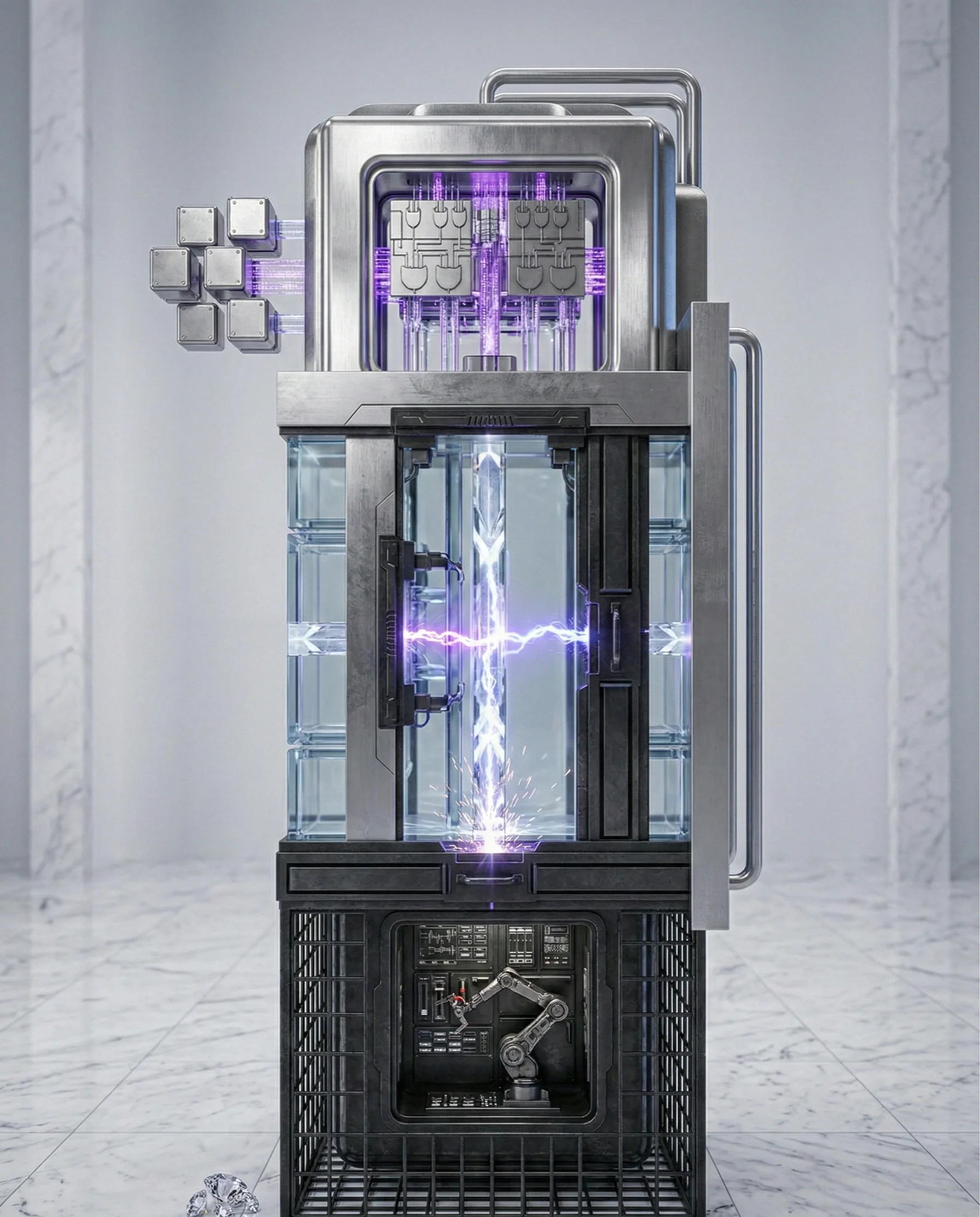
Custody and settlement are control-plane problems. Architecture must output finality, integrity, and regulatory defensibility under multi-jurisdiction scrutiny
IT/OT Boundary Enforcement.
SYS-01_ACTIVE
ISOLATION: HARD
Air-gapping is a theoretical assumption; explicit verification paths and SCADA segregation are engineered realities. Infrastructure must enforce absolute containment between enterprise environments and the operational control plane to prevent lateral payload execution.
FAULT-MODE: FAIL-SAFE
SYS-02_ACTIVE
Cyber-Physical Survivability.
High-availability and safety constraints mandate architectures that prevent digital payloads from manifesting kinetic consequences. Fault tolerance is engineered directly into the process logic pathways.
BOUNDARY: CONTAINED
SYS-03_ACTIVE
Legacy Substrate Coupling.
Operational technology runs on extended lifecycles. Architecture must wrap heterogeneous, unpatchable systems in deterministic containment fields without disrupting legacy execution dependencies.
// Module 03: Interventions
Operating context
[ PIPELINE: ACTIVE ]
SEQ: 01-04
IT/OT Boundary Engineering
Architecture design for deterministic segregation between enterprise networks and the industrial control plane. Explicit verification paths prevent lateral movement from manifesting as kinetic failure.
|
|
|
|
|
|
|
|
|
SYS-01_ACTIVE
Legacy Substrate Containment
Wrapping heterogeneous, unpatchable operational technology in strict enforcement boundaries. Security controls are decoupled from the endpoint and enforced at the network transit layer.
|
|
|
|
|
|
|
|
|
SYS-02_ACTIVE
Adversarial Validation
Validation of threat assumptions against realistic capability targeting control environments. Testing focuses strictly on recovery-path preservation and fail-safe logic under degraded states.
|
|
|
|
|
|
|
|
|
SYS-03_ACTIVE
High-Availability Architecture
Design of multi-path telemetry and redundant control pathways. Architecture ensures that loss of primary visibility does not force total operational shutdown or unsafe execution.
|
|
|
|
|
|
|
|
|
SYS-04_ACTIVE
// Module 04: Ledger
Primary case studies
[ DOC-01 ] ICS/SCADA Security

[ DOC-02 ] Forensic Analysis
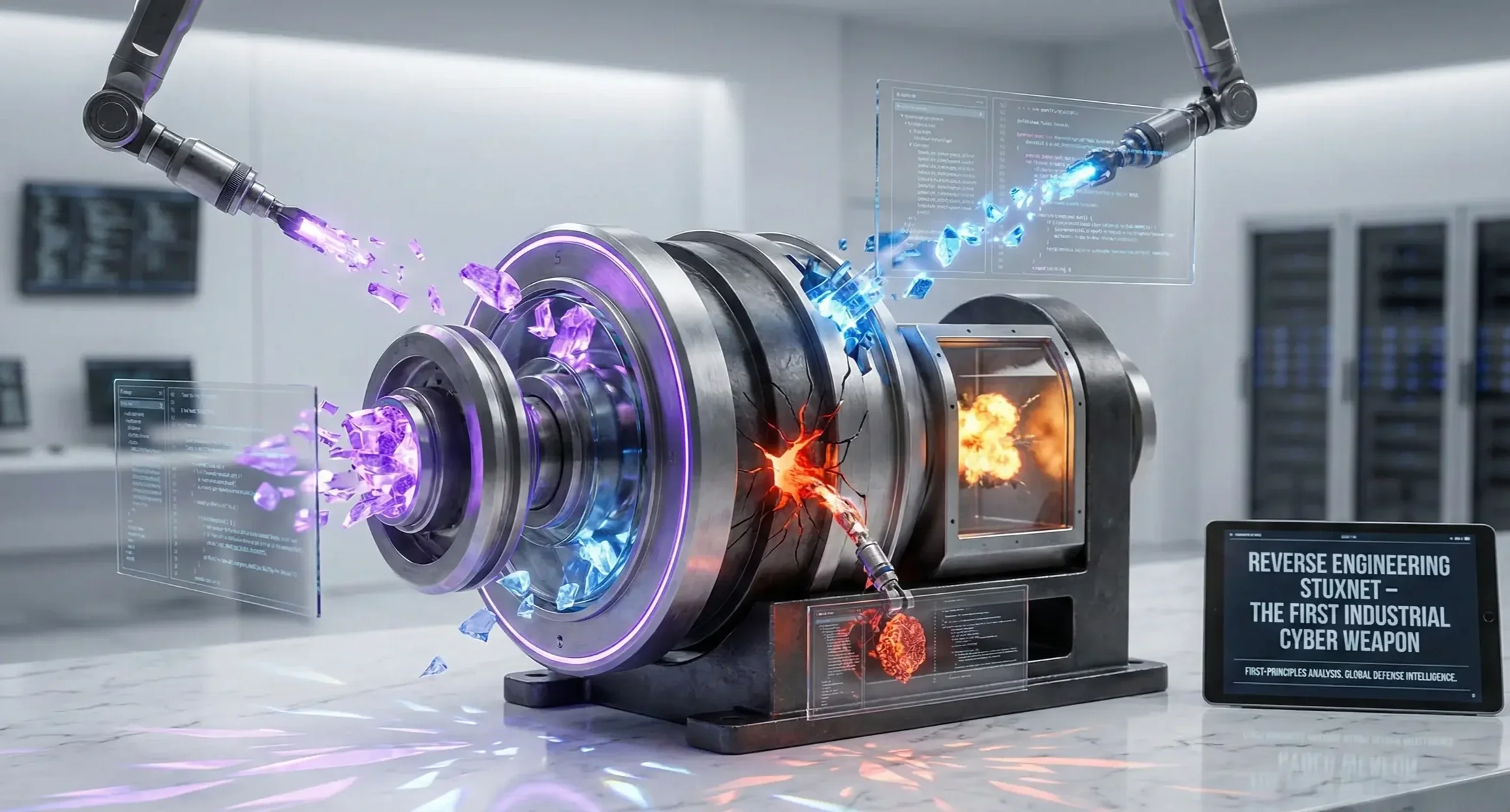
[ DOC-03 ] Critical Infrastructure
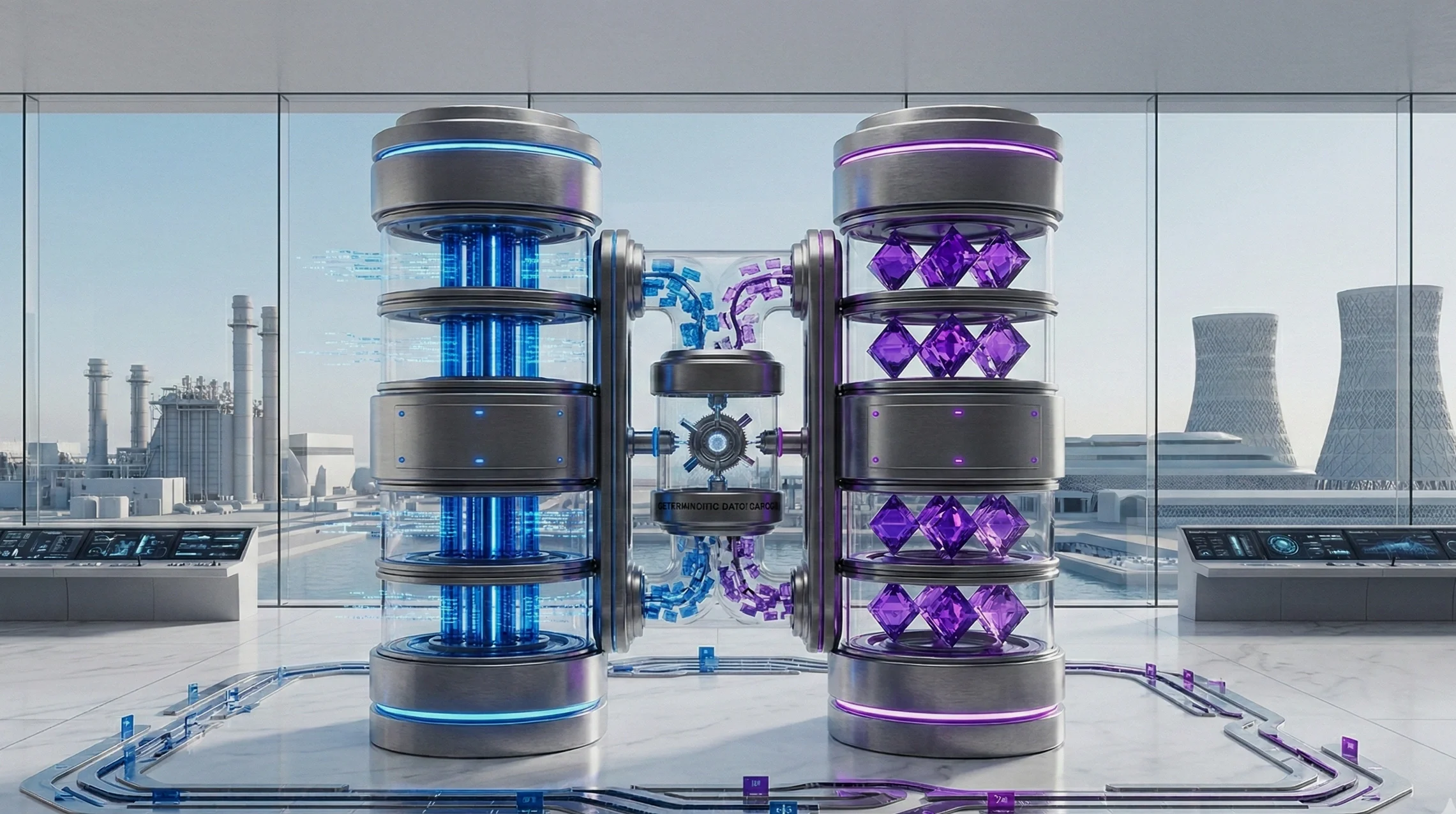
[ Index format ]
Sys-Def: Active
Institutional Identity
// Module 05: System access
Initiate an engineering review.
We evaluate cryptographic custody boundaries, validate settlement finality, and engineer regulated infrastructure built to withstand adversarial pressure.
SECURE_CHANNEL: OPEN
AWAITING_INPUT_