

[ REF_MALWARE_ICS_01 ]
CLASS: CYBER_WEAPON
CLOUD_NATIVE_SAAS // INFRASTRUCTURE_ENGINEERING // CROSS_PLATFORM_DELIVERY // DATA_RESIDENCY_COMPLIANCE // AVAILABILITY_ZONE_REDUNDANCY // ENCRYPTION_AT_REST // IDENTITY_ACCESS_MANAGEMENT // SYS-STATE: FULL_PRODUCTION // OPERATIONAL_CONTINUITY
CLOUD_NATIVE_SAAS // INFRASTRUCTURE_ENGINEERING // CROSS_PLATFORM_DELIVERY // DATA_RESIDENCY_COMPLIANCE // AVAILABILITY_ZONE_REDUNDANCY // ENCRYPTION_AT_REST // IDENTITY_ACCESS_MANAGEMENT // SYS-STATE: FULL_PRODUCTION // OPERATIONAL_CONTINUITY
| ICS Security Research // Industrial Cyber Defense
Reverse Engineering Stuxnet — The First Industrial Cyber Weapon.
First-principles analysis of the first publicly identified malware engineered to cause physical destruction to industrial infrastructure. Delivering verified intelligence on propagation mechanics and attack chain architecture for global defenders.
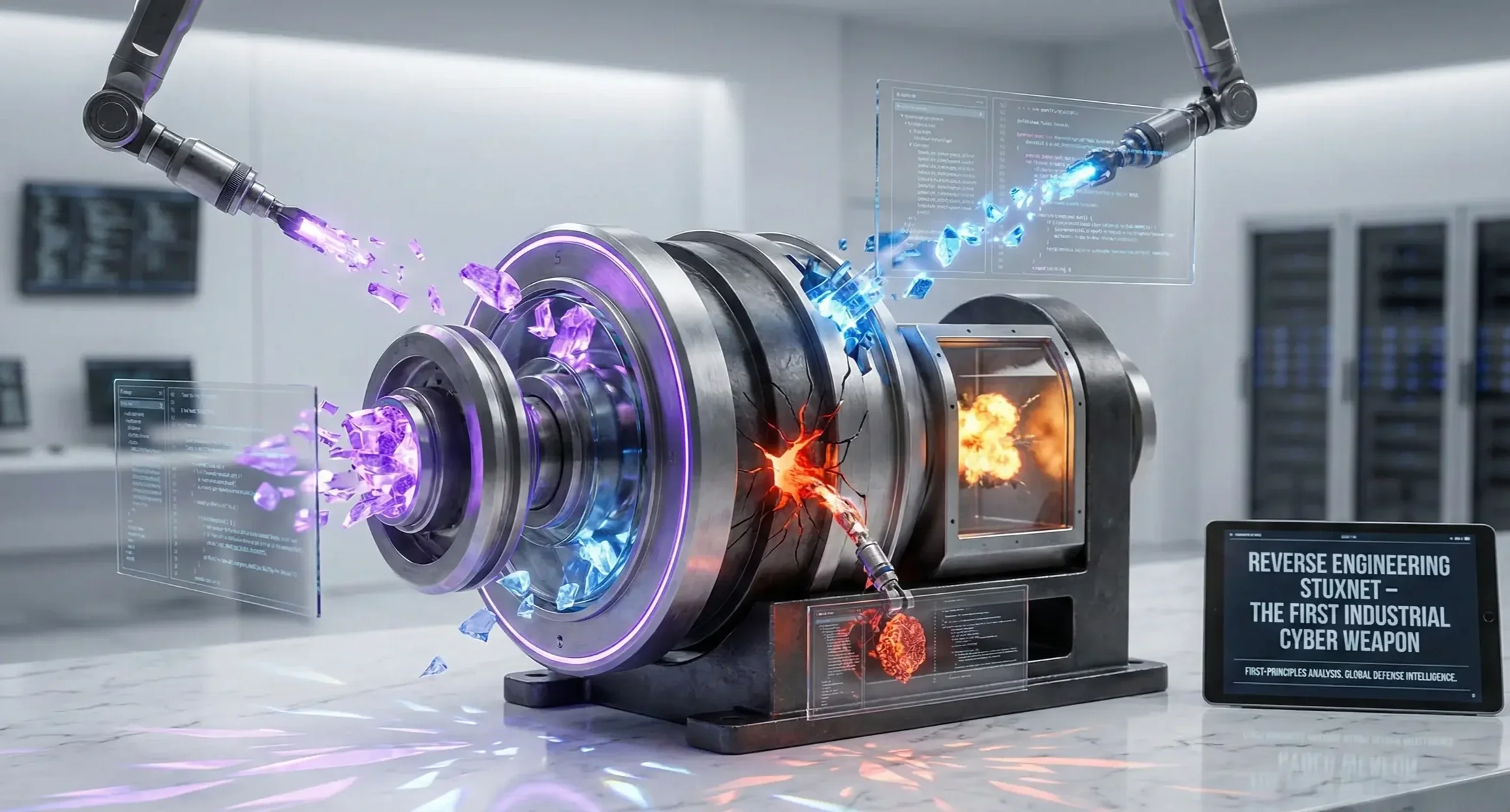
// Case Study: DOC-05
THE OBJECTIVE
STATE: ANALYTICAL
FAULT-TOLERANCE: PHYSICAL
[01]
To conduct a rigorous, first-principles analysis of Stuxnet—the first publicly identified malware engineered to cause physical destruction to industrial infrastructure. The initiative required deconstructing code that redefined cyber-physical risk.
Technical Initiative
STATE: DISSEMINATED
EVIDENCE: FORENSIC
[02]
Produce verified, actionable intelligence on propagation mechanics, payload delivery, and attack chain architecture. Findings were published to equip critical infrastructure operators with the data needed to defend against complex threats.
Intelligence Mandate
STATE: PERSISTENT
DEPLOYMENT: ICS/SCADA
[03]
Strategic Context
Analyze how code becomes a weapon and why the revelations from Stuxnet remain a mandatory consideration for modern industrial security postures.
[ METHOD: RE_ENGINEERING ]
STATUS: COMPLETED
Phase_03
// Case Study: DOC-05
THE INTERVENTION
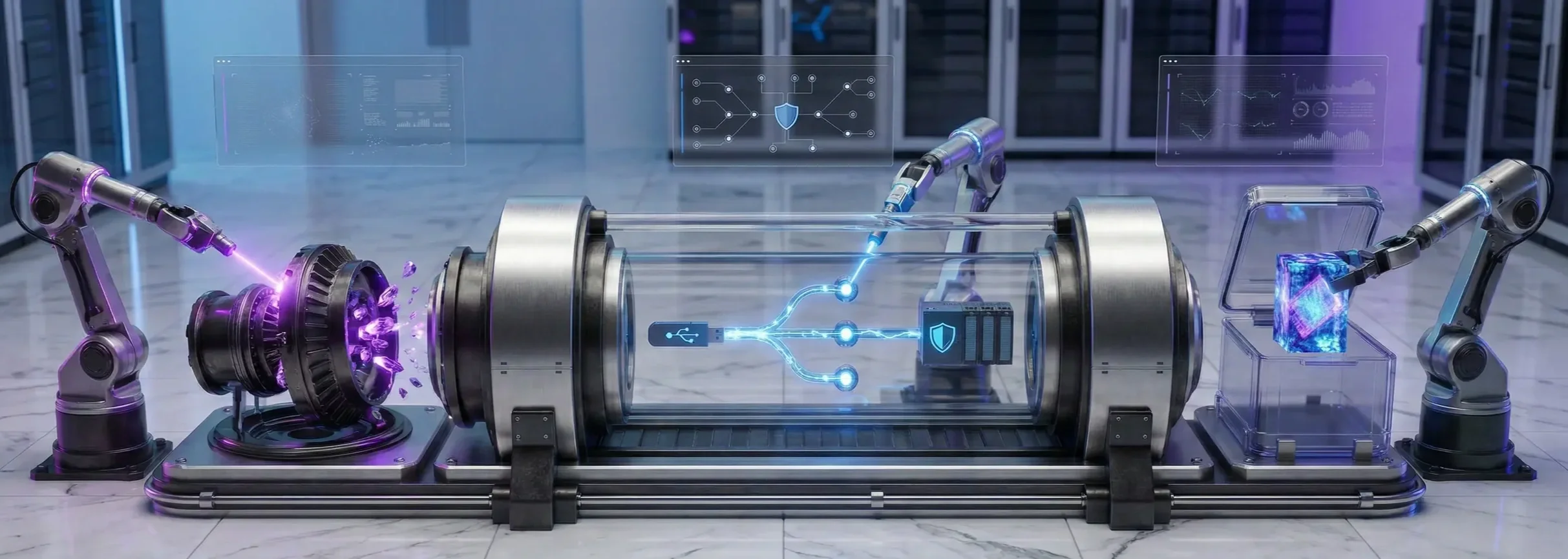
Lucenor executed a first-principles analysis of the Stuxnet payload, mapping its execution logic and targeting parameters.
Phase_02
Phase_01
-
Detailed disassembly and behavioral analysis to reconstruct propagation logic, USB-based infection vectors, lateral movement, and the PLC-targeting payload. Stealth and self-deletion routines were fully traced.
-
Full kill chain documented from initial infection through PLC infiltration and clean exit. Structured IOCs produced specifically for ICS/SCADA environments.
-
Synthesized findings into a publication-ready threat report calibrated for operational relevance. The documentation was engineered to be useful to defenders, not just researchers.
[ KILL_CHAIN: MAPPED ]
VECTORS: 05_STEPS
// Case Study: DOC-05 / Documented Findings
THE ATTACK CHAIN
-
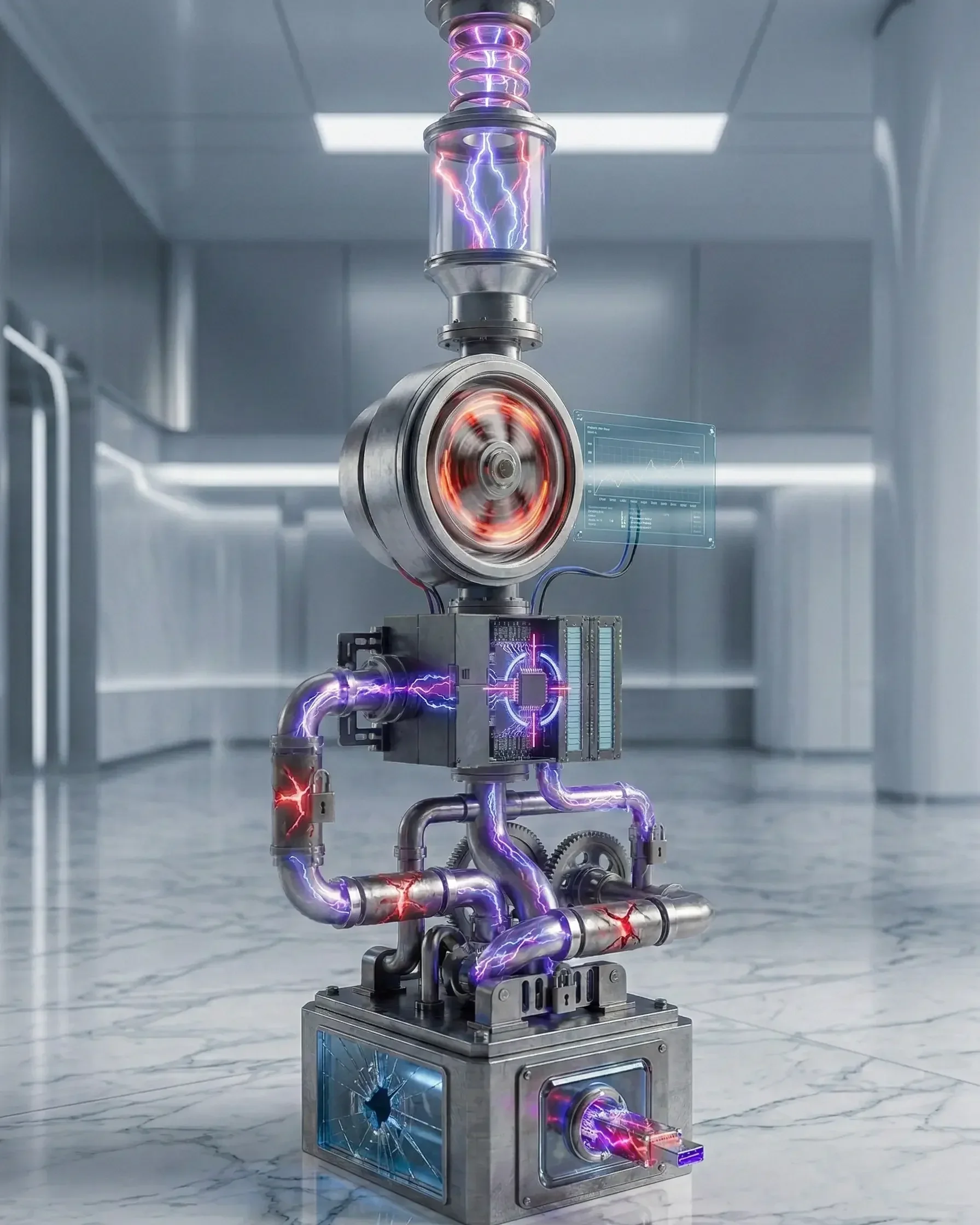
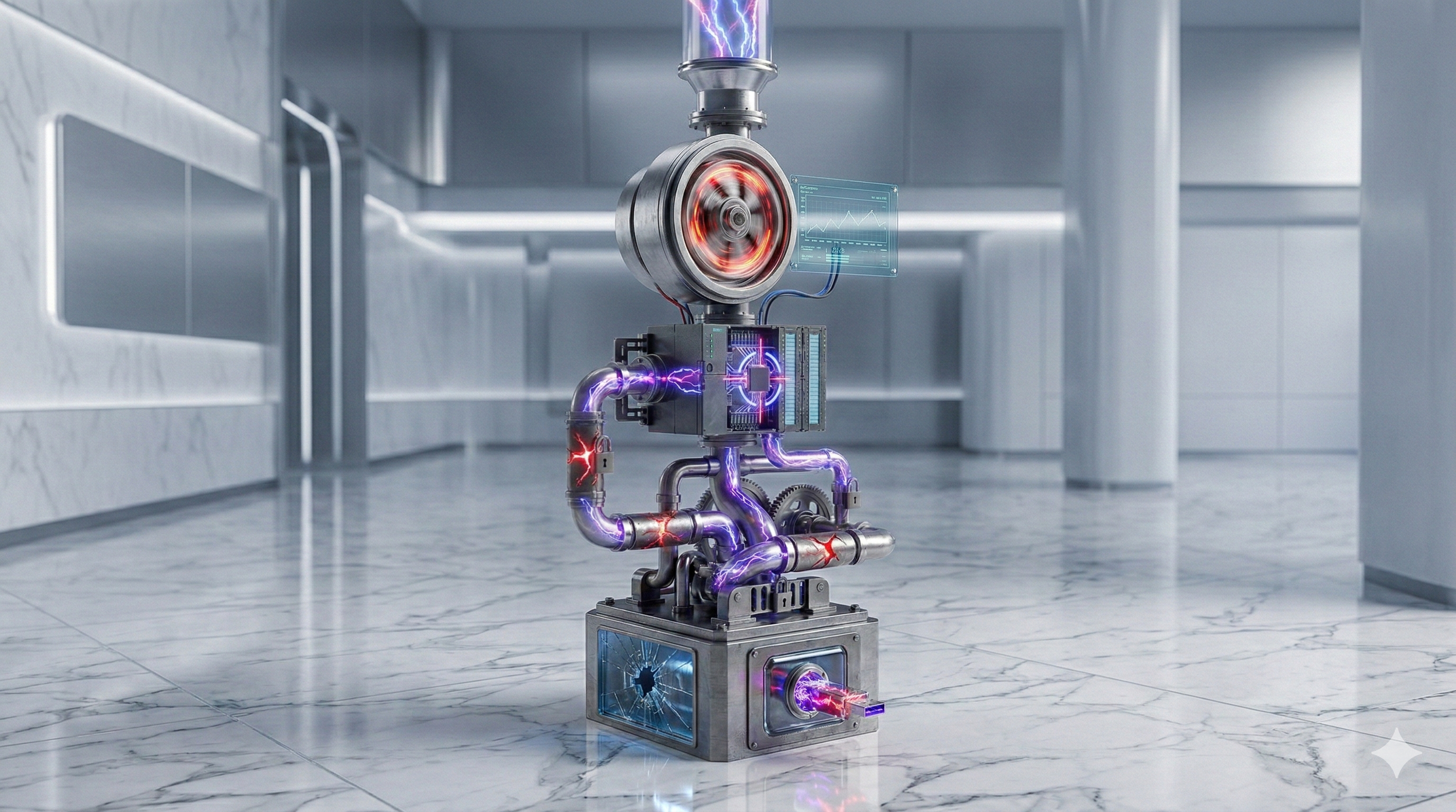
USB-borne delivery into air-gapped industrial environments — no internet connection required.
-
Network propagation within the plant, exploiting four Windows zero-day vulnerabilities.
-
Identification and targeting of specific Siemens S7-300 controllers via SCADA access.
-
Silent manipulation of centrifuge operating parameters while reporting normal status to operators.
-
Self-deletion and stealth routines to eliminate all forensic trace from infected systems.
"Our research findings equipped key critical infrastructure operators with the actionable intelligence and tailored insights needed to defend against complex cyber threats."
|
|
|
|
|
|
|
|
|
// Case Study: DOC-05
THE OUTCOME
|
|
|
|
|
|
|
|
|
Intelligence Yield.
The research findings equipped key critical infrastructure operators with the actionable intelligence and tailored insights needed to defend against complex cyber threats.
Operational Posture.
The publication of these findings moved the discourse from conceptual threat to engineered reality, establishing mandatory security considerations for modern industrial infrastructure.
Documented Variants.
Full forensic documentation of 03 Stuxnet variants and 04 zero-day vulnerabilities was achieved, providing a definitive baseline for ICS security research.
Institutional Identity
// Case Study: DOC-05
Initiate an engineering review.
We evaluate cryptographic custody boundaries, validate settlement finality, and engineer regulated infrastructure built to withstand adversarial pressure.
SECURE_CHANNEL: OPEN
AWAITING_INPUT_